
This is our usual schedule. If your puppy is starting late or has missed a dose, we’ll design a catch-up plan by age. We also offer split vaccine visits for low-stress appointments.
DHPP #1 (distemper, adenovirus/hepatitis, parainfluenza, parvovirus)
Fresh stool sample test available for screening
Deworming
Flea/tick prevention
DHPP #2
Lifestyle vaccines (Bordetella/kennel cough, Lyme, Lepto) #1
Stool sample or follow-up test available to check efficacy and safety
Deworming/parasite prevention
DHPP #3 (final puppy booster)
Lifestyle vaccines (Bordetella/kennel cough, Lyme, Lepto) #2
Rabies
Deworming/parasite prevention as needed
DHPP booster
Rabies booster
Annual Leptospirosis, Bordetella/Lyme based on lifestyle
Important Note: Vaccine choices depend on your puppy’s lifestyle (travel, boarding, daycare, hikes). Discussing lifestyle vaccines (Bordetella/kennel cough, Lyme) may adjust the 12- and 16-week visits. We follow current canine vaccine guidelines and will personalize timing and product type for your dog.
Recommendations are based on breed & expected adult size (especially large/giant breeds), sex/heat status, behaviour/household goals, and current health (umbilical hernia, retained baby teeth/malocclusion, cryptorchid testicle, orthopaedic risk, endocrine/neoplasia considerations).
For predisposed breeds we can combine surgery with OFA/PennHIP radiographs and, in deep-chested dogs, discuss prophylactic gastropexy. We offer pre-anaesthetic bloodwork to identify hidden issues early and improve recovery. Ask about a microchip if not already placed. Your pet goes home with a tailored pain-control/recovery plan; home care includes an e-collar and restricted activity for 10-14 days.
Best practice is to spay your pet before the first heat to help prevent mammary gland tumour development later in life.
Typical windows:
Small/medium breeds: 6–9 months
Large/giant breeds: 12–18 months
In a healthy male dog, delaying neutering until your pet has reached adult size supports proper growth and musculoskeletal development and is particularly important in large-breed dogs, where joint maturity plays a significant role in long-term health. The ideal timing varies for each pet, so your veterinarian will consider factors such as breed, age, size, and overall health to determine the most appropriate and safe neutering schedule.
Intestinal parasites are common in puppies. Roundworms, hookworms, whipworms, tapeworms, coccidia, Giardia can cause diarrhea, vomiting, poor growth, and a pot-bellied look. Puppies become infected from their mother (before/after birth) or the environment.
Can parasites affect people? Yes — some are zoonotic (can infect humans). Good hygiene, regular deworming, and prompt clean-up protect the whole family.
Deworming plan: every 2 weeks until ~12 weeks, then again around ~16 weeks. In higher-risk homes, we may continue monthly until 6 months.
Why stool tests? They detect parasites before signs appear and confirm that treatment worked.
First-year fecals: plan 1-4 tests (intake, after deworming, and again by 6-12 months).
Adult dogs: yearly fecal for most; every 3-6 months if they hunt, eat wildlife, or visit dog parks very frequently.
Most modern preventives cover both fleas and ticks. Consistent use helps prevent tapeworm (via flea control) and reduces the risk of tick-borne diseases.
Abbotsford dogs—especially those walking around Whatcom Trails, Sumas Mountain, Clayburn Village, and local greenbelts—are exposed to increasing tick activity in the Fraser Valley.
Tip: Do thorough tick checks after hikes or extended outdoor activity.
Heartworm is spread by mosquitoes; adult worms damage the heart and lungs. Regional risk varies, and travel changes risk. If your puppy came from or will travel to a heartworm-endemic area, ask us about testing and prevention before you go.
Submit a stool sample yearly • follow deworming schedules • pick up stools promptly • wash hands after handling pets/soil • pregnant people should avoid handling feces.
Keys to success: Manage the environment, keep a feeding schedule, and reward immediately for outdoor success.
Cues & routine: Use a cue (e.g., “Outside”). Take your puppy directly to the toilet spot—don’t rely only on walks. Reward on the spot.
Watch for signals: Sniffing, circling, heading to the door. If an accident starts, gently interrupt and guide outside—never punish.
Timing guide: Weather matters—puppies need shorter intervals in heat or cold. Rule of thumb: max 2-3 hours at 8 weeks; 4-5 hours at 16 weeks. Most need to go after sleep, play, eating/drinking, before crate time, and at bedtime.
Communication: Teach a signal (sit/bark/bell-ring); reward the signal and the outdoor success.
If accidents persist: rule out medical issues, refresh cues consistently, and ensure rewards happen at the outdoor location.
Early positive exposure builds resilience. Aim for daily, low-stress experiences:
Clinic “happy visits”: build your puppy’s trust and reduce vet-visit anxiety (no procedures, no charge)
People variety: hats, sunglasses, uniforms, mobility aids
Environments: parks, sidewalks, different floors/surfaces
Dogs: For safety, limit play to known, well-mannered, fully vaccinated dogs; avoid large dog-park groups until the puppy vaccine series is complete.
Classes: Enrol in positive-reinforcement puppy classes—typically around 12 weeks, once your vet approves. Ensure your puppy has been examined and vaccines have been started. (Some facilities may require Bordetella vaccination.)
Let your puppy set the pace—never force interactions. Avoid harsh corrections.
Help your puppy get comfortable with everyday handling so vet and groomer visits are easier.
Short sessions (60-90 seconds, 1-2×/day): gently touch ears, lift lips/peek at teeth/gums, touch paws/toes and briefly tap nail clippers, lift the tail, and do quick collar grabs → reward.
Pair touch with rewards: touch → treat (or calm praise). Stop before your puppy pulls away; build up slowly.
Practice exam positions: brief stand, sit, and side-lie with a treat on the nose or a chin-rest on your palm.
Sounds & surfaces: introduce a soft towel on tables, low volume “clinic” sounds (clippers near paws).
Goal: a puppy who opts-in to handling—making nail trims, ear checks, and exams low-stress.
Let your puppy explore grass, gravel, sand, carpet, ramps, shallow water at their own pace.
Build a mini confidence course at home (broom handles, boxes, umbrellas, crinkly bags).
Go one obstacle at a time; reward curiosity and calm.
Always supervise. Let the puppy approach first. Coach gentle petting along the back/shoulders and quiet voices. Introduce one child at a time.
Start with parallel walks and leashed, short sessions. Reward calm “look-away” from the resident dog; no chasing. Use gates/pens to create space.
Begin with scent swaps and feeding on opposite sides of a door. Use baby gates or a carrier for first looks. Provide the cat with vertical space and ensure separate resources (beds, litter, food/water).
Short, positive sessions beat long, stressful ones. If tension persists, we can help with a tailored plan.
Keep words, rules, and rewards the same for everyone.
Daily needs: regular meals and clean water • frequent toilet breaks and naps • play, exercise, and mental enrichment • safe rest spaces.
Assign responsibilities: feeding/water/bed • toilet & crate training • socialization outings • grooming & dental care • supervision & play.
Training sessions: keep them short (5-10 minutes), frequent, and end on a win.
Avoid: socks/underwear, corn cobs, cooked bones/skewers, rocks/sticks, string/ribbon, hair ties, squeaker toys with loose parts, batteries, ear-plugs, pits/seeds.
Watch for: repeated vomiting (especially after eating), drooling, pawing at the mouth, painful/tense belly, lethargy, no stools.
Do not induce vomiting unless we advise, and never pull visible string from the mouth/rectum—call us immediately.
Grapes/raisins, chocolate, xylitol (sugar-free), onions/garlic, marijuana/edibles, human pain meds (ibuprofen/naproxen/acetaminophen), rodenticides, compost/garbage.
Retained baby teeth: Puppy teeth usually shed between 3-6 months. If a baby tooth remains when the adult erupts (especially the canines), it can trap food and crowd alignment. We often extract retained teeth during spay/neuter to protect adult teeth and gums.
Bite alignment (malocclusion): Narrow lower canines or over/under-bites can injure the palate. We check at 12-16 weeks and again before spay/neuter. Options may include training aids (ball exercises), orthodontic appliances, or selective extractions—we’ll advise or refer if needed.
Teething & safe chews: Use the fingernail-rule—if you can’t dent it with a fingernail, it’s too hard (risk of tooth fracture). Avoid cooked bones, antlers, hooves, hard nylon. Use VOHC-accepted dental chews.
Home oral care: Start gentle mouth handling now; aim for daily brushing with dog-safe toothpaste. Ask us for our VOHC product list and a juvenile dental check at 6-8 months.
Umbilical hernias: Small, soft hernias often close by 4-6 months; larger ones are typically repaired during spay/neuter. Urgent signs for a strangulating hernia: sudden swelling, firmness, pain, vomiting.
Inguinal hernias: Less common; we’ll plan repair if large or symptomatic.
Cryptorchidism: By about 6 months, both testicles should be in the scrotum. If one or both are missing, we recommend surgical removal (inguinal/abdominal) to prevent torsion and future tumours. Do not breed cryptorchid dogs.
Brushing & combing: Choose soft, rounded tools. Pair brief strokes with treats; stop before frustration.
Ears: Use veterinarian-approved cleaners only. Start with gentle handling; check for odour/redness/discharge and call if concerned.
Nails: Handle paws daily; trim tiny amounts often; avoid the quick.
Teeth: Start early with puppy-safe toothpaste and a soft brush; make it a routine (“toothbrush time”).
More common in condo buildings, daycares, multi-dog households, and busy Abbotsford dog areas. Vaccines (Bordetella/parainfluenza) reduce risk and severity. Isolate from other dogs if your puppy is ill; call us if you notice persistent hoarse coughing, gagging, fever, or reduced appetite.
A serious infection in under-vaccinated pups. Avoid high-dog-traffic areas until the vaccine series is complete + 7-10 days. Early intervention is essential for vomiting, bloody diarrhea, lethargy, dehydration.
Exposure risk exists in Abbotsford due to wildlife, farmland, and standing water in parks/greenbelts. We vaccinate when indicated. Avoid stagnant water and secure outdoor waste from rodents.
Common in wet environments, ditches, and muddy trails.
Possible in multi-pet homes. Watch for circular hair-loss or scaly patches.
Possible in outdoor or multi-pet homes; symptoms include itchy ears with dark debris.
Crate/car confidence: Short practice rides; familiar bedding; light meal (or none) before travel if your puppy is car-queasy.
Pre-visit options: For anxious travellers, ask us about calming medication (e.g., gabapentin or trazodone). We’ll advise case-by-case and provide dosing to trial at home before the appointment if needed.
Arrival choice: Prefer to wait in your car? Let us know on arrival—we’ll bring you straight to a pet-friendly exam room.
In-clinic: Low-stress, cooperative handling, high-value treats, extra time if needed; we can split care across shorter “happy visits” vs. bundling to reduce exposure for pets with fear or anxiety.
Call if you notice vomiting/diarrhea, repeated coughing, laboured breathing, lethargy, pain, loss of appetite, or any change that worries you. Trust your instincts—puppies can decline quickly.
Pet insurance can offset surprise costs from accidents or illness. When comparing plans, review waiting periods, pre-existing condition rules, reimbursement %, annual/incident limits, and deductles. Ask whether claims are direct-pay to the clinic or owner reimbursement, and about pre-approval for big procedures.
Examples in Canada: Trupanion • Pets Plus Us • Fetch. We’re happy to discuss what to look for at your first visit. Many families set aside a small monthly pet-care savings fund for unexpected expenses.
We’re here to help every step of the way.
Contact Alpha Animal Hospital, Abbotsford, BC to schedule your puppy’s first visit and set the foundation for a healthy, confident life.
2362 Whatcom Rd #125, Abbotsford, BC V3G 0C1
(604) 859-6322
The information provided in this post is for general educational purposes only and does not constitute professional veterinary advice, diagnosis, or treatment. Every pet is unique. Always consult your veterinarian regarding your animal’s specific health condition before taking any action or changing their care routine.


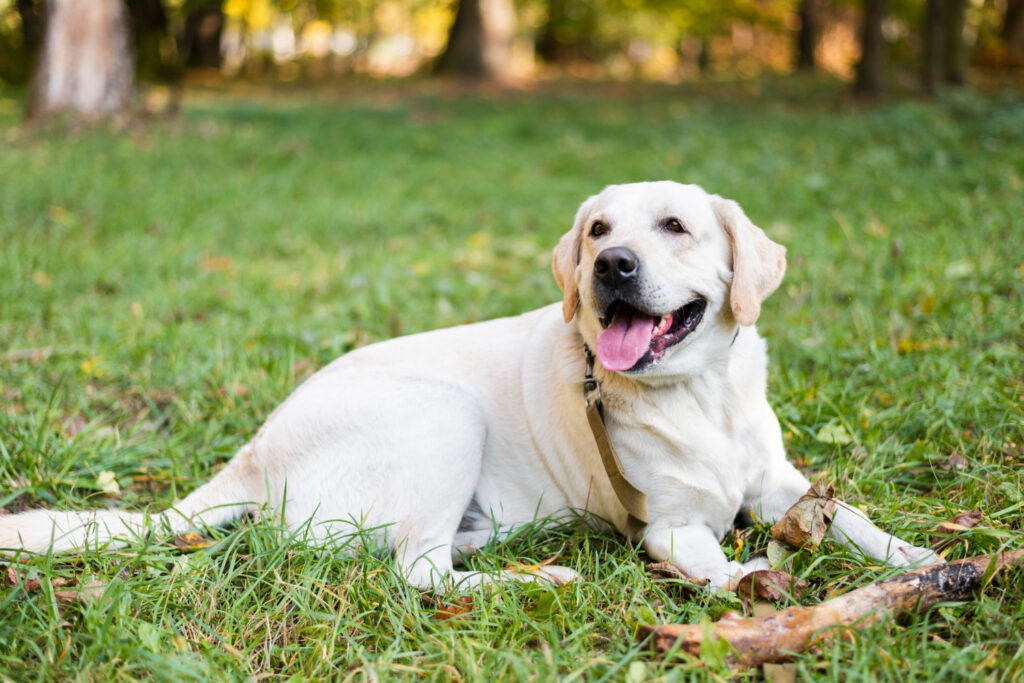
Our team is dedicated to teaching our clients on how to keep their pets healthy all year round, including proper feeding, parasite prevention, wellness planning, and exercise.